Some links on this page are affiliate links. We may earn a commission if you buy, at no extra cost to you. How this works.
Simple practice-monitor decision · August 2026Shot Scope LM1 vs PRGR
By Graham Benjamin · Updated September 29, 2026
The LM1 is our stronger entry-level practice recommendation. PRGR remains appealing when the requirement is deliberately limited to simple speed and distance feedback.
PRGR vs Shot Scope LM1: which should you buy?
Choose the PRGR if your main goal is uncomplicated club-speed training and you value a compact, proven practice monitor. Choose the Shot Scope LM1 if you prefer a golf-focused display and want ball-speed and distance feedback presented as a simple practice companion.
Neither should be confused with a full simulator launch monitor: this comparison is about affordable speed and distance feedback, not detailed spin, launch-angle or virtual-golf data.
Quick verdict
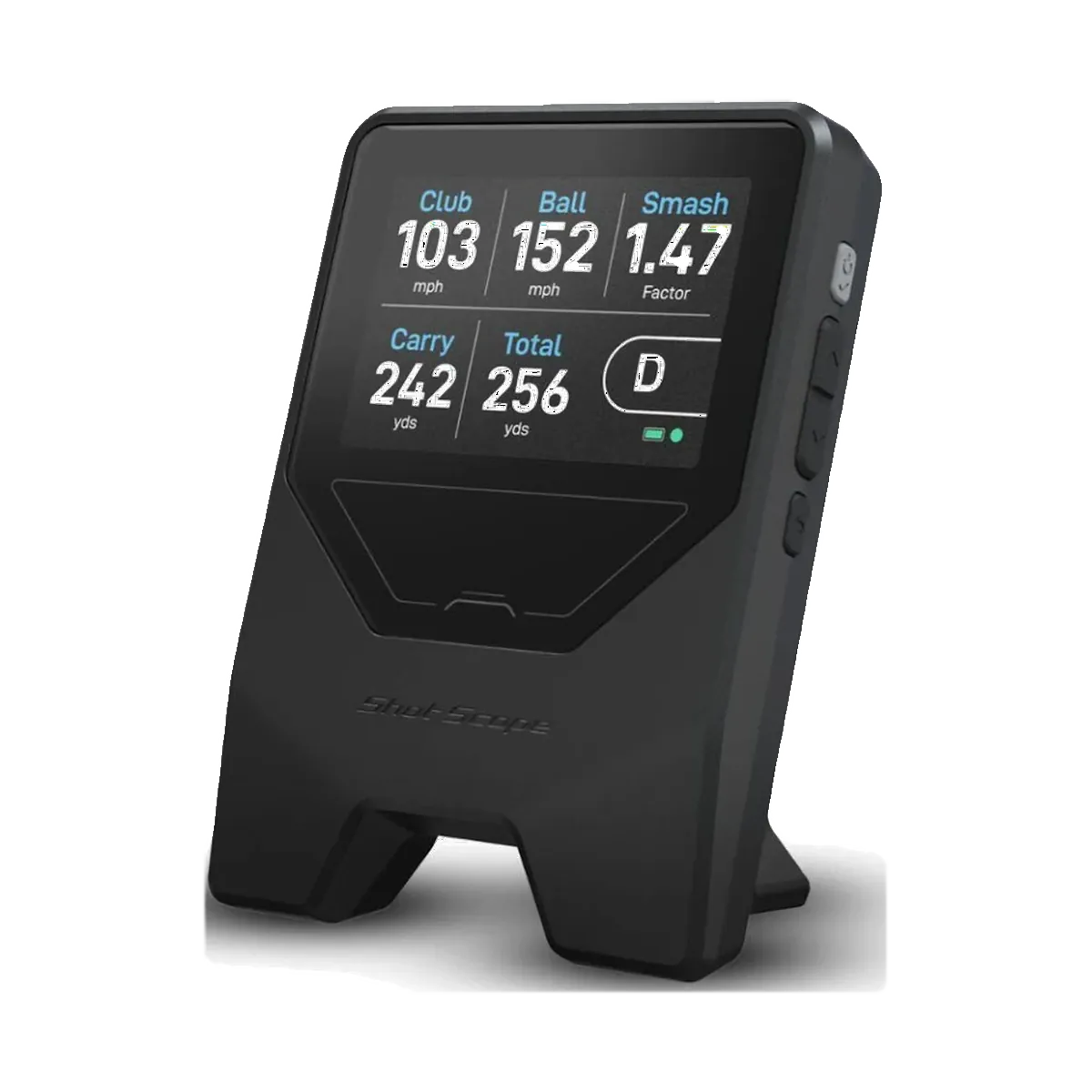
Shot Scope LM1GGL Score 85/100 · Guide price about $200Choose it if you want a current, affordable launch monitor with a clearer path into structured practice and instant on-device feedback.
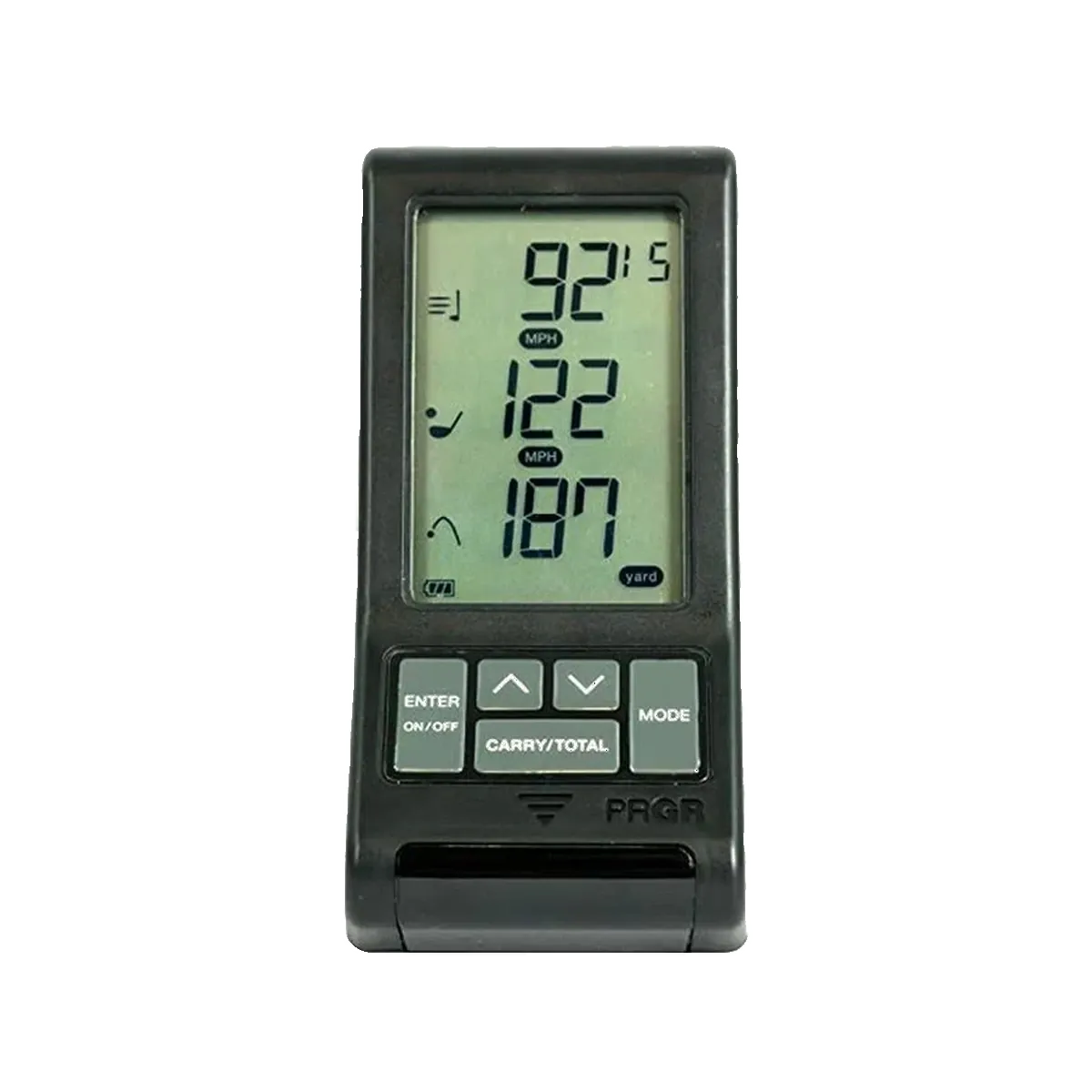
PRGR PortableGGL Score 84/100 · Guide price about $200–$230Choose it if you value extreme simplicity and primarily want speed and distance numbers without simulator ambitions or a feature-heavy workflow.
PlayBetter is an authorized dealer and an affiliate partner; we may earn a commission at no extra cost to you. The retailer never changes our verdict.
Golf Gear Lab verdict
Buy the LM1 unless simplicity itself is the reason for buying PRGR. The one-point score difference (85 vs 84) is less important than the workflow: LM1 is the better development tool, while PRGR is the purer glance-at-the-number device.
Where to buyCheck today’s prices
Shot Scope LM1
As an Amazon Associate I earn from qualifying purchases, at no extra cost to you.
Check PriceShot Scope LM1 GGL Score 85/100A small radar launch monitor with a color screen that shows club speed, ball speed, smash factor and distance. It is built for range practice and speed training. Read our review
PRGR RED EYES POCKET HS-130
Checklist before you choose
The comparison above covers the main differences. Use these checks on your own room, round and budget before ordering.
- Which is better for your practice space?
- What data and feedback does each provide?
- What software or subscriptions are needed?
- What accessories or extra hardware will you need?
- Which works better indoors, outdoors or in a garage?
- What is the realistic first-year and longer-term ownership cost?
- What compromise would make you choose the other model?
What to compare before you choose
Compare the alternatives
Still deciding? These closely related Golf Gear Lab comparisons can help narrow the shortlist.
How we made this comparison
We compare the products against the buying decision on this page, including their intended use, practical setup, ownership costs, current market position and the specifications that can materially change the choice. We cross-check manufacturer claims against independent published testing and practical owner experience where useful, and distinguish published specifications from independently observed findings.