
Some links on this page are affiliate links. We may earn a commission if you buy, at no extra cost to you. How this works.
Motocaddy M1 vs PowaKaddy CT6: which compact cart should you choose?
Two compact, non-remote caddy routes for golfers who want powered walking without paying for integrated GPS or remote steering.
Quick verdict
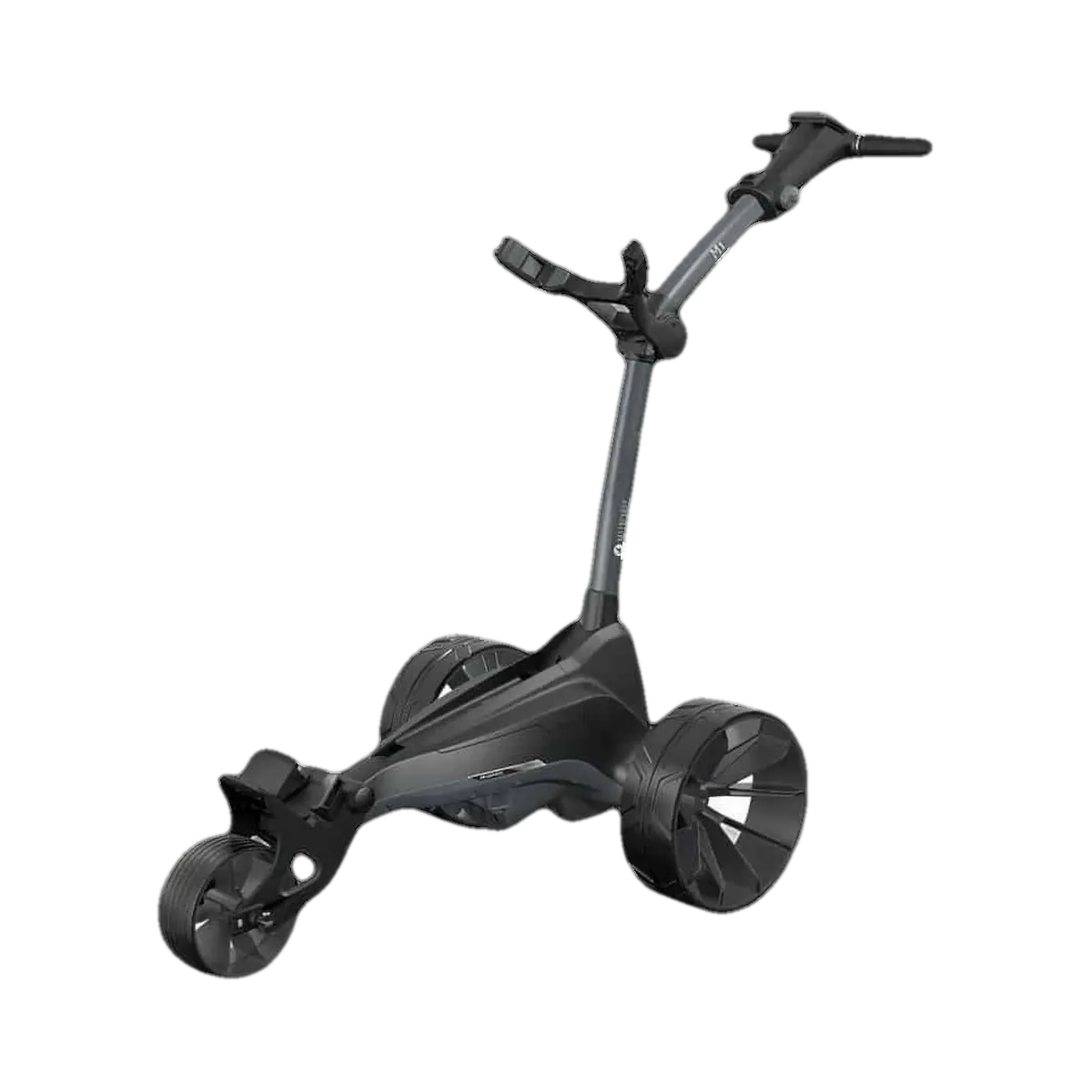
Choose it if you want a simple, easy-to-use cart without paying for extras.
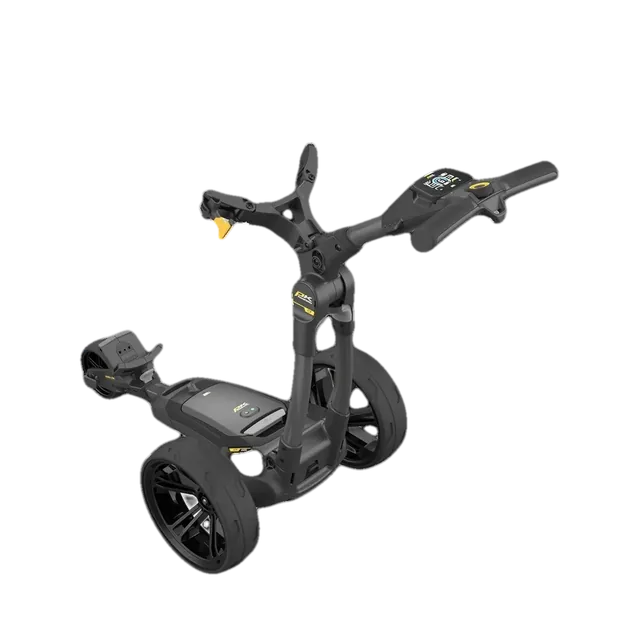
Choose it if you need a cart that folds small for a tight car trunk.
PlayBetter is an authorized dealer and an affiliate partner; we may earn a commission at no extra cost to you. The retailer never changes our verdict.
Choose Motocaddy M1 if…
You want Motocaddy's straightforward compact M-Series route and prefer its controls, folding method or accessory system.
Choose PowaKaddy CT6 if…
Minimum folded footprint is the deciding factor and you want PowaKaddy's established compact CT platform.
Like-for-like decision table
| Decision point | Motocaddy M1 | PowaKaddy CT6 |
|---|---|---|
| Best matched buyer | Simple compact powered walking | Compact storage and smaller-car practicality |
| Integrated GPS | No — use a separate watch, handheld or phone | No — compare CT6 GPS if on-handle GPS matters |
| Remote steering | No | No |
| Important check | Confirm that the retailer listing is the redesigned 2026 generation | Confirm battery option, folded dimensions and exact current package |
| Editorial position | Current model route; full 2026 assessment pending | Established compact route; retain its separately assessed score |
Golf Gear Lab verdict
Choose between these two on folded size, lifting and the controls you prefer. The CT6 is the clearer storage-first choice; the M1 is the natural Motocaddy alternative. Neither is the right comparison if you already know you want GPS or remote control.
Motocaddy M1 assessment PowaKaddy CT6 assessmentCompare the job before the badge
This pairing keeps GPS, remote control and price level aligned. If your requirements change, return to the complete Motocaddy vs PowaKaddy tier guide rather than comparing mismatched models.
Check the exact model and package
Confirm the exact model generation, battery and included accessories at the retailer before ordering.
Checklist before you choose
The comparison above covers the main differences. Use these checks on your own room, round and budget before ordering.
- Which is easier to live with every week?
- How do the handle controls and speed settings differ?
- Which folds smaller and is easier to lift into the car?
- How do battery range and charging compare?
- Which features will you genuinely use on the course?
- What accessories or extras affect the real cost?
- Which offers the better ownership fit for your golf routine?
What to compare before you choose
| Decision factor | What Golf Gear Lab checks |
|---|---|
| Control | Compare manual, remote, GPS and follow-style functions where applicable. |
| Battery | Consider stated range, charging routine and replacement implications. |
| Transport & storage | Compare weight, folded dimensions and how easily it fits your car and storage space. |
| Course use | Consider stability, hills, manoeuvrability and the controls you will actually use. |
| Accessories | Account for required or desirable accessories rather than headline price alone. |
| Ownership fit | Balance features, warranty/support, transport and cost for how often you play. |
How we made this comparison
We compare the products against the buying decision on this page, including their intended use, practical setup, ownership costs, current market position and the specifications that can materially change the choice. We cross-check manufacturer claims against independent published testing and practical owner experience where useful, and distinguish published specifications from independently observed findings.